FAQ ITER Vacuum Valves

What are ITER vacuum valves used for in fusion energy applications?

ITER vacuum valves are ultra-high vacuum (UHV) isolation and control components designed for use in fusion energy systems such as the ITER tokamak reactor. They isolate different sections of the ITER vacuum systems, act as a first safety barrier during off-normal events, and help maintain ultra-high vacuum conditions required for stable plasma operation and tritium confinement.

Which types of ITER vacuum valves are included in the VAT ITER catalog?
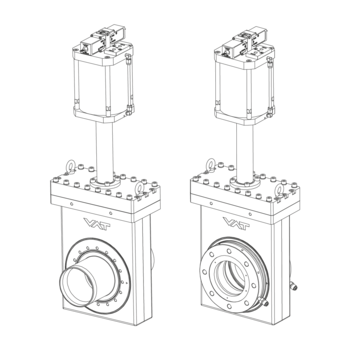
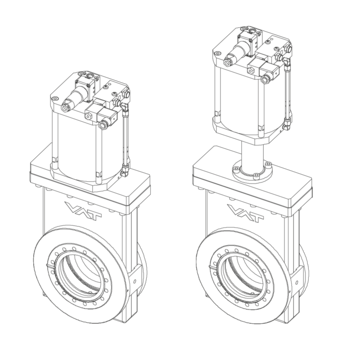
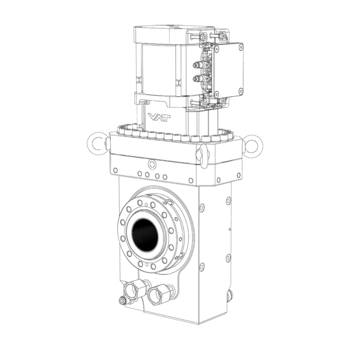
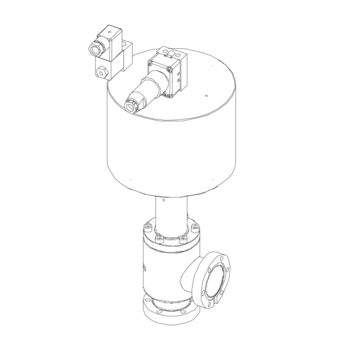
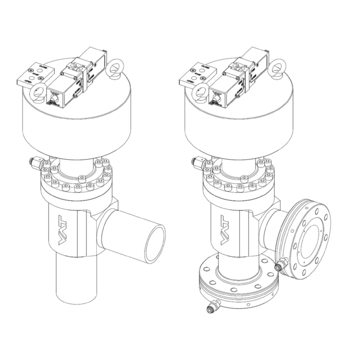
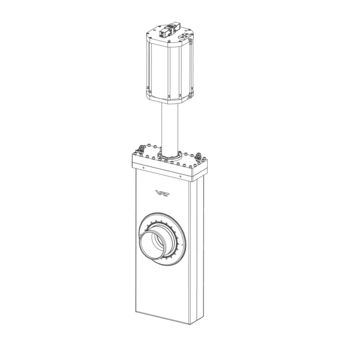
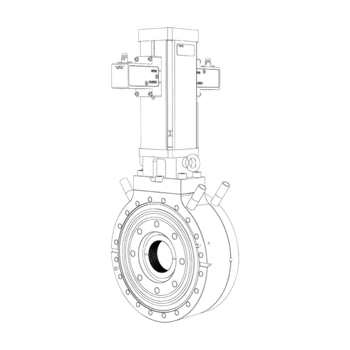
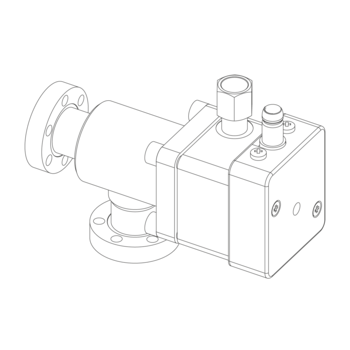
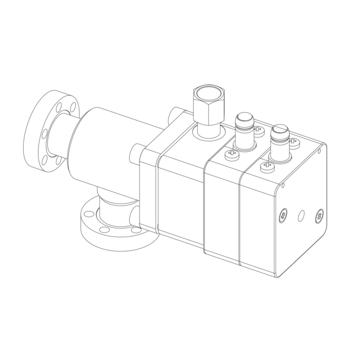
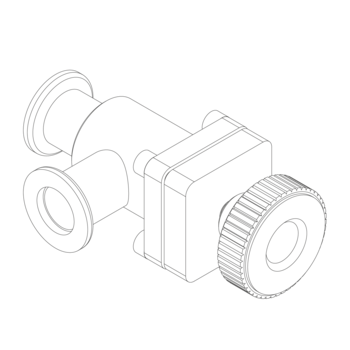
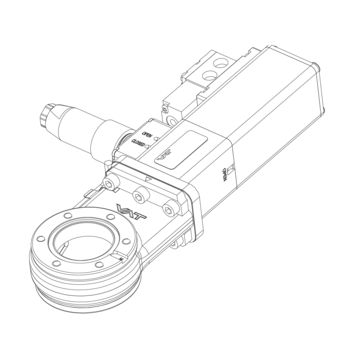
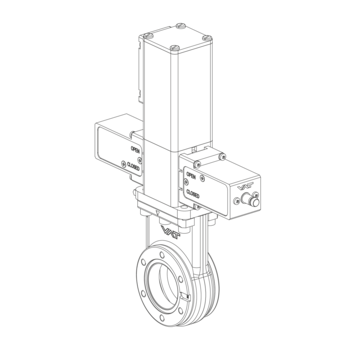
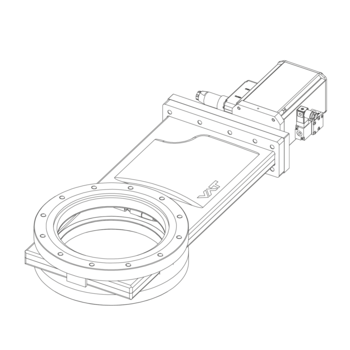
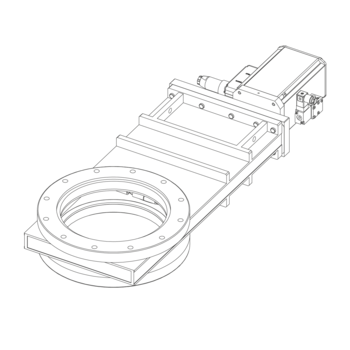
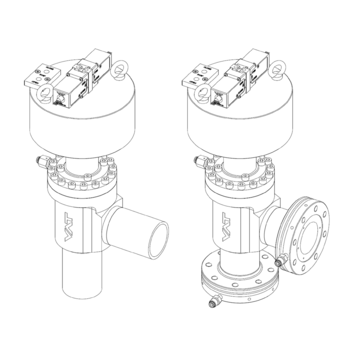
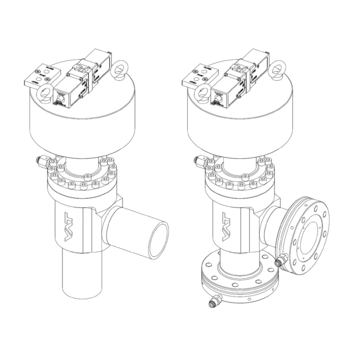
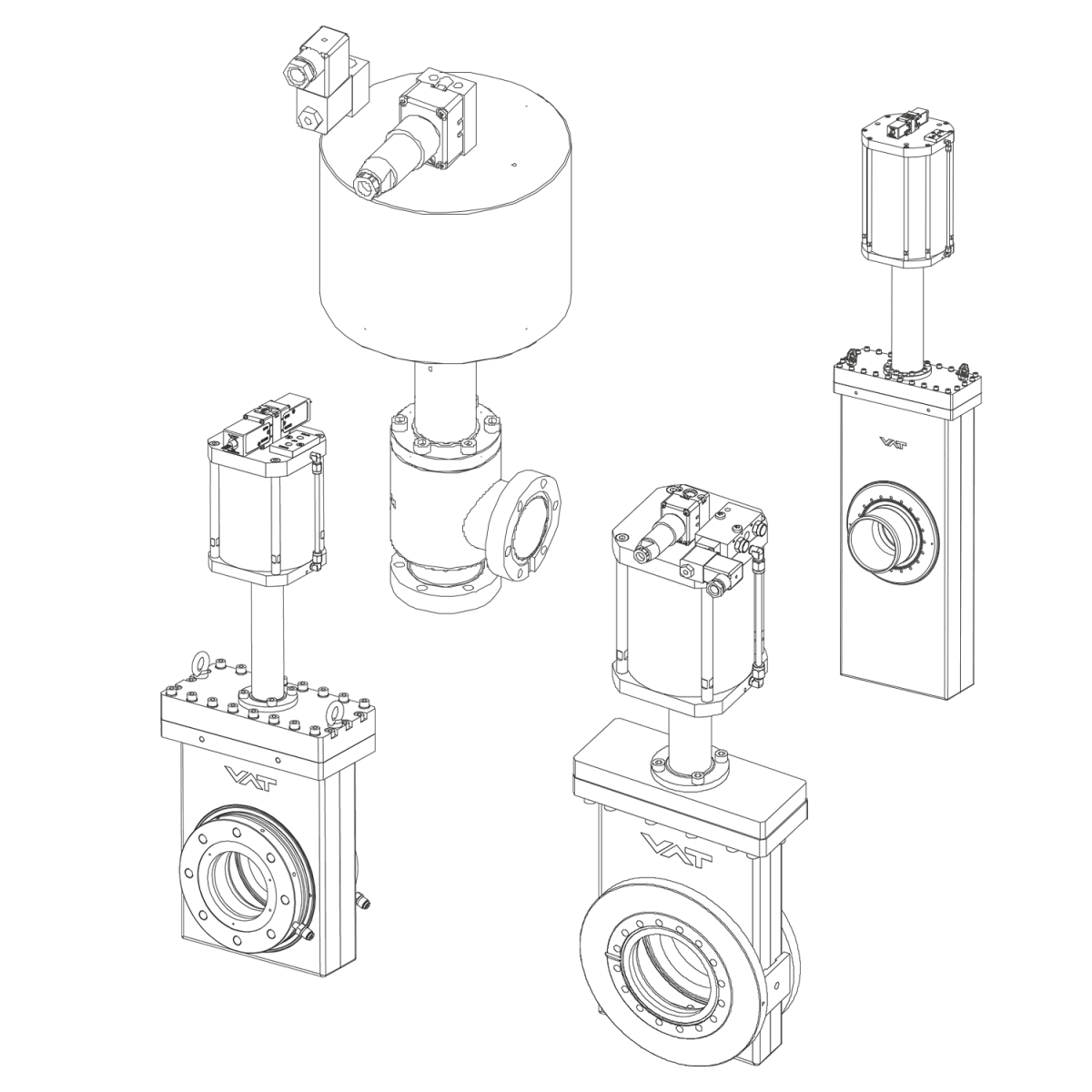
The VAT ITER catalog includes a standardized portfolio of vacuum valve solutions, comprising UHV gate valves and UHV angle valves in multiple variants. The range includes all-metal vacuum valves and selected elastomer sealed valves, with defined configurations, connections, flanges, and optional position indicators, reducing procurement complexity and ensuring compatibility across ITER subsystems.
What is the difference between all-metal vacuum valves and elastomer-sealed ITER vacuum valves?

All-metal vacuum valves use metal-to-metal sealing technologies and contain no elastomer seals on the vacuum side. This design allows them to withstand extreme temperature and radiation conditions including direct Tritium contact. Elastomer sealed valves are used only in limited, well-defined areas due to the reduced resistance of elastomers under radiation conditions.

What distinguishes ITER gate valves from ITER angle valves?

ITER gate valves provide a straight-through opening diameter and are used for large-scale isolation of evacuated volumes, including main vessel ports and interfaces to pumping systems. ITER angle valves redirect flow by 90 degrees and are applied where space constraints, increased wall thickness, or protective housing requirements dictate a compact installation form while maintaining vacuum integrity.

What vacuum levels and operating conditions are ITER vacuum valves designed for?

ITER vacuum valves are engineered to maintain ultra-high vacuum inside systems operating in the range of approximately 10-8 to 10-12 mbar. They are designed and tested to withstand extreme temperature, radiation (Tritium), magnetic fields, and load cases (e.g. seismic events). Design features such as two housing layers, a second protective bellow, interspace vacuum concepts, active cooling, corrugated waveguides, dust / particle protection features and special nuclear documentation and qualification (seismic) to ensure compliance to highest safety regulations (SIC-1) and integrity during severe operating and accident scenarios.

What distinguishes VAT tailor-made ITER vacuum valves from standard vacuum valves?

VAT ITER vacuum valves are tailor-made, first-of-a-kind solutions developed, manufactured, and tested specifically for ITER requirements. This includes specialized designs such as the Absolute Valve, an all-metal pendulum valve with a world-record opening diameter of 1.6 m, which allows independent venting and isolation of the tokamak and neutral beam vacuum vessel volumes. The standardized ITER catalog supports long-term availability, spare parts management, and reliable delivery for the lifetime of the ITER facility.