Jun 15, 2026
Events
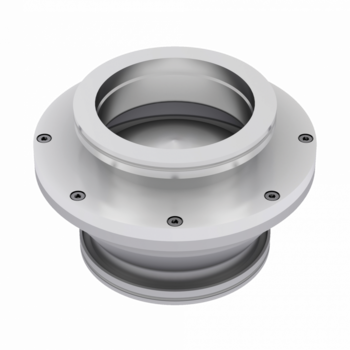
A vacuum check valve is a one-way valve designed to allow a gas flow in a single direction within a vacuum system. It prevents backflow, ensuring that the vacuum level is maintained and that the critical vacuum environment and equipment remain protected from any particle contamination. Vacuum check valves are essential for maintaining the performance and integrity of various vacuum systems across different applications.
Yes, a vacuum system typically requires a check or fast enough remotely operated valve to prevent backflow in case of all pump failure. Without this kind of valve, reverse flow could allow air or contaminants to enter the vacuum system, potentially damaging the expensive system components or expensive semi-finished wafers. Check valves help to protect the vacuum environment by maintaining the desired direction of flow.
A vacuum check valve operates by allowing flow in one direction while blocking reverse flow. It typically contains a spring-loaded mechanism that remains closed until the vacuum pressure is high enough to push it open, allowing gas or air to pass through. When the pressure in the vacuum system drops, the spring forces the valve to close, preventing any backflow into the system. This ensures the vacuum remains stable and the system stays protected. However, there are solutions without spring available, where the closing is directly driven by the backflow respectively the differential pressure at the valve plate. This means that the valve is closing, if the pressure increases on the pump side which will lift the valve plate into its closed position.
When selecting a vacuum check valve, several factors must be considered:
A vacuum check valve and a pressure relief valve serve different functions:
While both types of valves enhance system safety, check valves focus on flow control, while pressure relief valves protect against excessive pressure.
VAT vacuum check valves are known for their durability and high performance in demanding vacuum systems. These valves are designed with precision to ensure reliable one-way flow, protecting vacuum systems from backflow and ensuring system integrity. VAT vacuum check valves are built from high-quality materials and offer a variety of sizes and configurations to suit different applications. Their compact and robust design makes them easy to install, ensuring long-term reliability in industrial environments.