FAQ Vacuum Multi-Valve Units

What is a multi-valve?

A multi-valve, or multi-valve unit, is an integrated system that combines multiple vacuum valves into a single compact unit. This design allows for the simultaneous control of various vacuum operations within a system, streamlining processes, reducing space requirements, and improving overall efficiency in vacuum applications.

When is a multi-valve unit better than a single valve?

A multi-valve unit is preferable when a vacuum system requires multiple valve operations to be managed simultaneously or in quick succession. These units are ideal in applications where space is limited, and complex processes need to be streamlined. By integrating several valves into one unit, multi-valve systems minimize installation time, reduce the number of connection points (which lowers the risk of leaks), and offer centralized control, making them more efficient than using several individual valves.

What are the different types of vacuum multi-valve units?

Vacuum multi-valve units come in various types, each designed to meet specific operational needs and improve system efficiency:

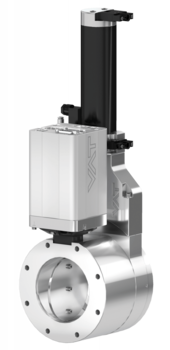
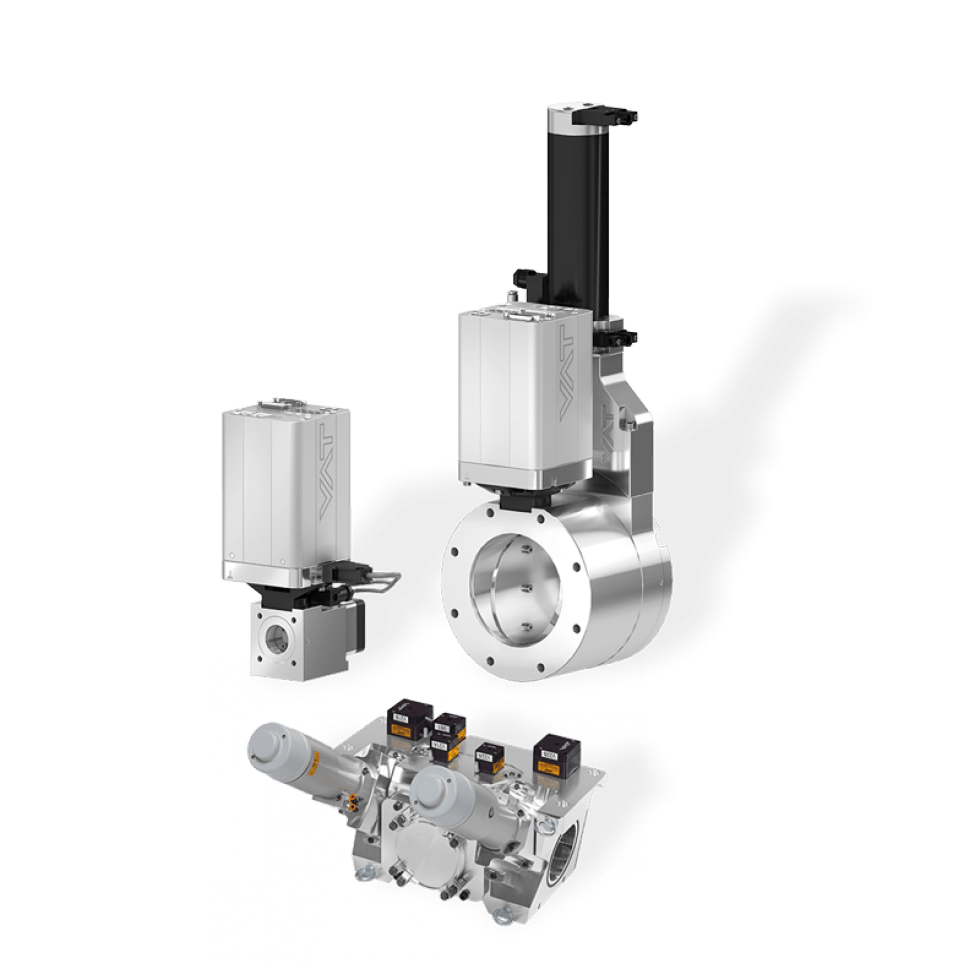
  • Control and isolation combo units – These units integrate a control valve (such as a butterfly valve) with an isolation valve (either an angle or gate valve), offering both precise flow control and leak-tight isolation in a single compact package. This design reduces the system footprint, requires fewer components (e.g., flanges and connectors), and provides synchronized control of both valve functions.
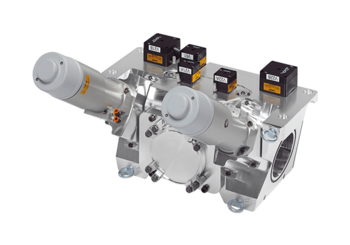
  • Vacuum valve manifolds – Valve manifolds combine the functions of multiple individual valves into one customized unit. These are designed for compactness and efficiency, reducing the number of sealing points, minimizing dead spaces, and enhancing system performance by being installed closer to the process. Manifolds can also integrate temperature control systems, making them ideal for processes that require heating or cooling to manage condensation or other effects.

These multi-valve units are commonly used in high-demand applications where space-saving, efficient vacuum management is crucial.
 

What considerations are important when choosing vacuum multi-valve units?

When selecting a vacuum multi-valve unit, key considerations include:

  • Application requirements – The specific functions needed (e.g., isolation, control, venting) and whether the multi-valve unit can support them.
  • Space constraints – Multi-valve units are compact, but it’s important to ensure the unit fits within the available system space.
  • Flow conductance and vacuum compatibility – The unit should be compatible with the vacuum level and gas flow requirements of the system.
  • Material and sealing technology – Ensure the materials and seals used in the multi-valve unit are suitable for the gases and vacuum conditions in your application.
     
What are the key differences between vacuum multi-valve units and individual vacuum valves?

The main differences between multi-valve units and individual vacuum valves include:

  • Integration – Multi-valve units combine multiple valves in one compact assembly, whereas individual valves are installed separately.
  • Space-saving design – A multi-valve unit takes up less space than multiple individual valves, reducing system footprint.
  • Efficiency – Multi-valve units simplify piping and reduce the number of connection points, which can lower the risk of leaks and make maintenance easier.
  • Control – Multi-valve units offer centralized control over several valves, improving operational efficiency compared to managing multiple individual valves.
     
What distinguishes VAT vacuum multi-valve units?

VAT vacuum multi-valve units are renowned for their precision, compact design, and reliability. These units integrate several high-performance valves into one system, reducing space requirements and improving the efficiency of vacuum operations. VAT multi-valve units are engineered to handle a wide range of vacuum applications, from high-vacuum to ultra-high vacuum, ensuring robust performance, minimal leakage, and easy integration into complex vacuum systems. Their durability and high-quality construction make them a preferred choice for demanding industrial and scientific applications.