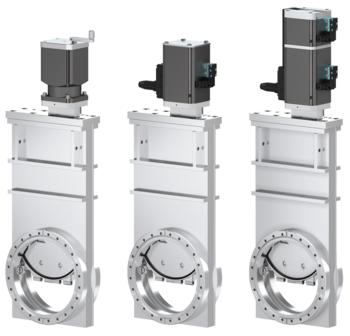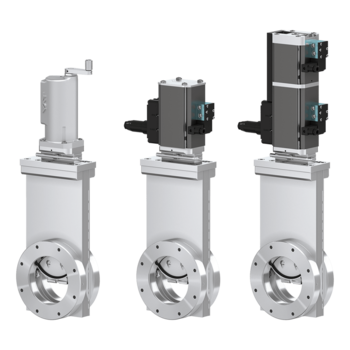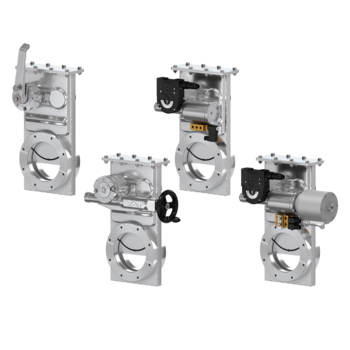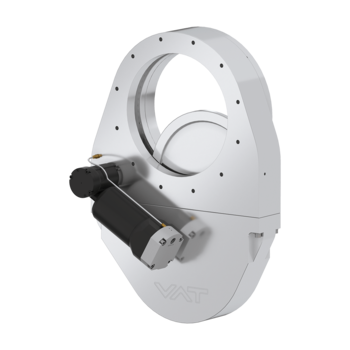
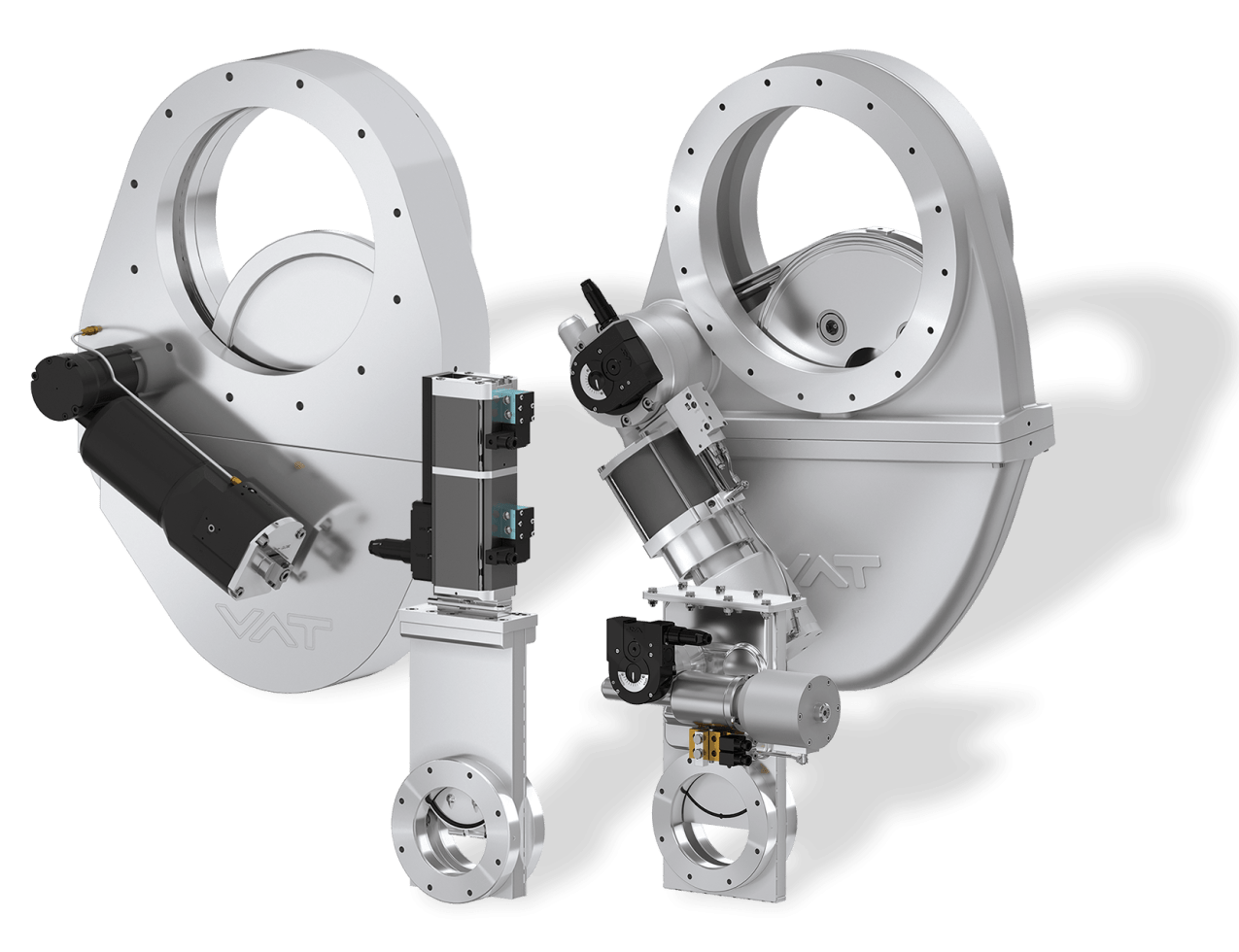
FAQ 3 Position Vacuum Valves

What is a 3-position vacuum valve?
A 3-position vacuum valve is a specialized valve used to manage gas flow in vacuum systems. It offers three distinct operational positions: fully open, fully closed, and an adjustable middle position. This additional intermediate state allows more precise control, such as gradually introducing gas or balancing pressure between chambers, which is crucial for sensitive vacuum environments.
What are the different types of 3-position vacuum valves?
3-position vacuum valves are available as pneumatic versions. They can vary based on sealing mechanisms and materials used, designed for applications such as high vacuum (HV) or ultra-high vacuum (UHV). These valves are ideal for managing the flow of gases in processes that require multiple states of control for complex vacuum operations.
How does a 3-position valve work?
A 3-position valve operates by moving between three positions: open, closed, and an intermediate state. When fully open, gas is allowed to flow freely. In the closed position, it isolates the system completely. The intermediate position can be used to partially control gas flow or release pressure gradually, making it suitable for delicate vacuum applications that require enhanced gas management.
What are the positions of a 3-way valve?

The three positions of a 3-way vacuum valve are:

  1. Open – allowing gas to flow freely.
  2. Closed – completely blocking the flow.
  3. Intermediate/Middle – used for venting, pressure balancing, or controlled gas introduction, depending on the application.
What is the difference between a 2-position and 3-position valve?

A 2-position valve has only two operational states – open and closed – while a 3-position valve adds an intermediate state. This middle position provides additional control, such as gradual venting or pressure equalization, which is beneficial for complex vacuum systems where enhanced gas flow is essential.

What considerations are important when choosing 3-position vacuum valves?

When selecting a 3-position vacuum valve, consider factors such as:

  • Vacuum level compatibility (e.g., HV, UHV).
  • Sealing type and materials, which should be appropriate for the gases used and the system's operating pressures.
  • Flow conductance and leak rate, especially in sensitive UHV applications. Additionally, temperature and pressure ranges should match the operational demands of your vacuum system.
What are the key differences between 3-Position Vacuum Valves, isolation valves, and control valves?

The main differences between these valves lie in their functionality and application within vacuum systems:

  • 3-Position vacuum valves offer three operational states: open, closed, and an intermediate position, providing more flexibility for managing gas flow and pressure.
  • Isolation valves are designed specifically for completely blocking or allowing gas flow, often used to isolate sections of the system during maintenance or when creating a vacuum seal.
  • Control valves regulate the flow rate dynamically, allowing for continuous adjustments to pressure and flow, which is useful in processes requiring precise control over gas delivery.
What distinguishes VAT 3-position vacuum valves?

VAT 3-position vacuum valves stand out for their precision and reliability in high-vacuum (HV) and ultra-high vacuum (UHV) environments. They are designed to handle pressure ranges from 1 × 10⁻¹⁰ mbar to 1.2 bar (abs) for UHV gate valves, and 1 × 10⁻⁸ mbar to 1.6 bar (abs) for HV gate valves, ensuring exceptional performance under rigorous conditions. These valves are particularly suited for applications requiring enhanced control and safe operation over extended periods. Additionally, their durability and leak-tight sealing make them a reliable choice in both high-cycle and critical vacuum applications. The third/intermediate position can be adjusted across the entire stroke range via an integrated adjustment screw, enabling highly accurate and repeatable process control.