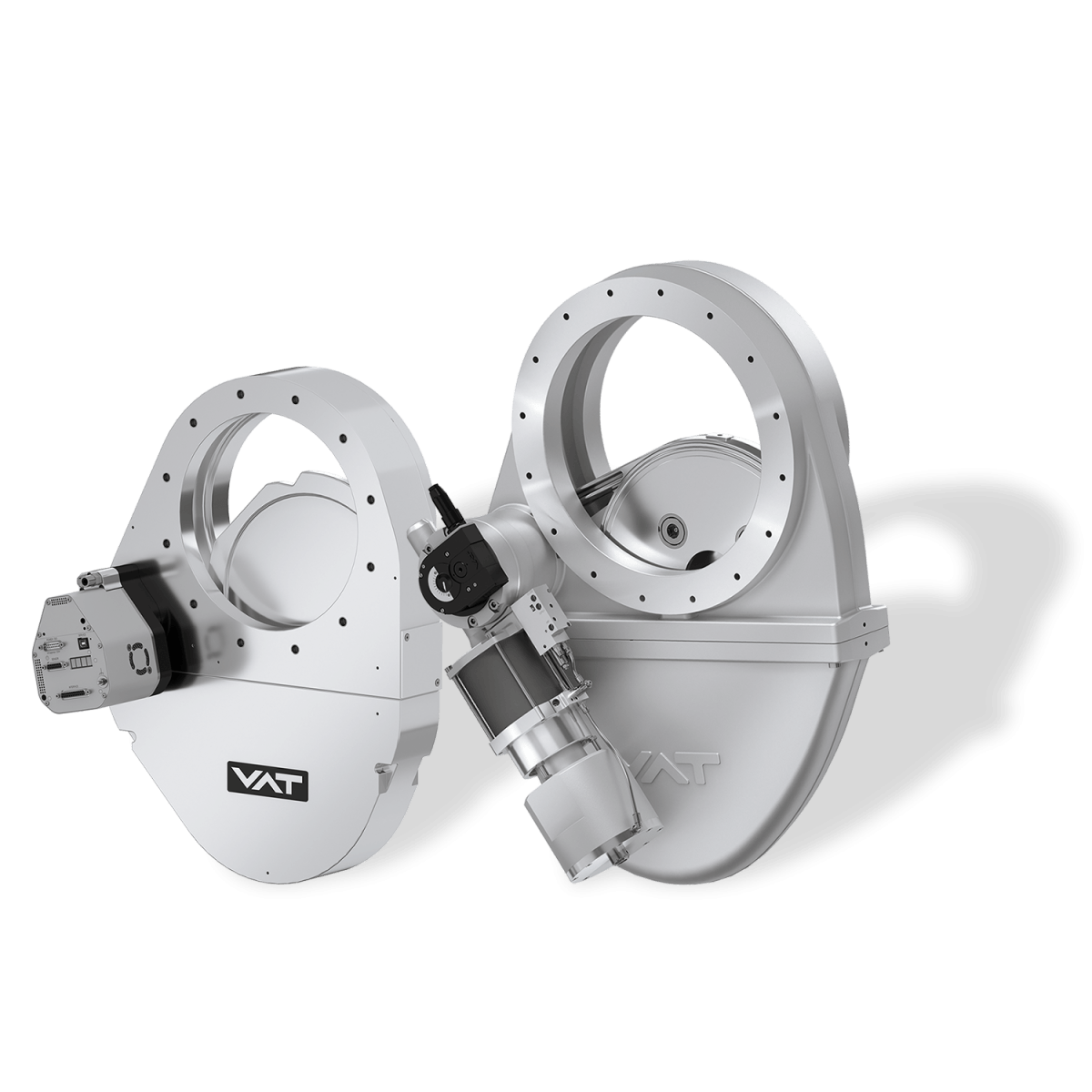
FAQ Vacuum Pendulum Valves

What is a pendulum valve?

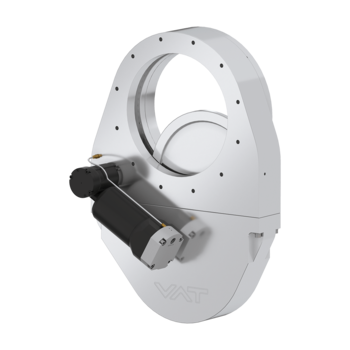
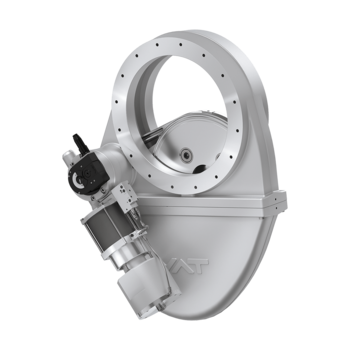
A high vacuum pendulum isolation valve designed for industrial processes such as sputtering, evaporation, CVD and etching. It is built for corrosive, harsh, and particle sensitive environments and is widely used in deposition, Etch, coating, and vacuum processing equipment making it ideal for applications like semiconductor production and display manufacturing.

What are the different types of pendulum valves?
VAT offers several types of vacuum pendulum valves, including high vacuum (HV) pendulum isolation valves such as the Series 16.2 and 16.8, These valves vary in size, conductance, and pressure ratings to handle different vacuum flow conditions and processes, including evaporator and sputtering applications. The Series 16.2 uses a gate type mechanism with pneumatic single acting (NC) or 3 position pneumatic actuation, whereas the Series 16.8 employs the VATLOCK mechanism.
What considerations are important when choosing vacuum pendulum valves?
When selecting a vacuum pendulum valve, it’s important to consider the operating pressure range, valve size, and the specific application, such as whether the valve is required for isolation Other key factors include the valve's material, actuator type, and whether it can withstand harsh conditions like high temperatures or corrosive environments.
What are the key differences between a pendulum valve and a pendulum control valve?
A pendulum valve isolates on the pneumatic pressure and pressure control valve additionally has an electrical motor for positioning of the gate. A pendulum valve primarily functions for isolation with precise control over conductance, making it highly effective in vacuum environments. A pressure control valve, on the other hand, is designed to regulate fluid flow by varying the opening size.
What distinguishes VAT vacuum pendulum valves?

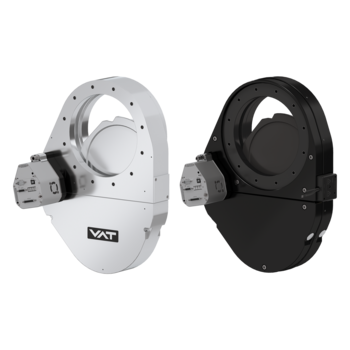
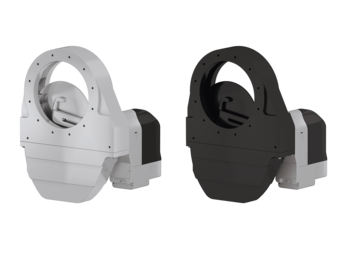
VAT’s vacuum pendulum valves stand out due to their compact design, smooth operation, and precise control capabilities.

It is known for:

  • Very low particle generation thanks to smooth, low vibration movement
  • High reliability and long service intervals
  • Split body design for easy in place maintenance
  • Slim profile enabling direct chamber mounting

They are optimized for high-performance applications like semiconductor and display systems, under harsh conditions.

How does a pendulum control valve work?

A pendulum control valve works by rotating a circular valve plate into or out of the gas flow path between the vacuum chamber and the pumping system. The plate pivots around an axis located outside the gas stream.

The valve position is controlled by an actuator and a control system that receives feedback from pressure sensors. Based on the measured pressure, the controller adjusts the plate position to regulate the conductance of the valve. This continuous adjustment enables stable pressure control within the vacuum chamber.

What are pendulum control valves used for?

Pendulum control valves are used to precisely regulate pressure in vacuum processes where stable operating conditions are essential. Typical applications include:

  • Semiconductor fabrication processes such as etching and deposition
  • Thin-film coating and surface treatment
  • Display manufacturing
  • Solar cell production
  • Research and laboratory vacuum systems

These valves help maintain the exact pressure required for repeatable and high-quality process results.

What are the advantages of pendulum control valves in vacuum systems?

Pendulum control valves offer several advantages for vacuum applications:

  • High precision pressure control even at low pressure levels
  • Fast response times for dynamic process conditions
  • Stable and repeatable operation in sensitive manufacturing processes
  • Low particle generation, which is important for cleanroom environments
  • Wide control range, enabling use across different vacuum regimes

These features make them well suited for processes where pressure stability directly affects product quality.

How do pendulum control valves control vacuum pressure?

Pendulum control valves regulate vacuum pressure by adjusting the conductance between the vacuum chamber and the pumping system.

When the valve plate moves further into the gas flow path, the conductance decreases and the pumping speed effectively reduces, causing chamber pressure to increase. When the valve opens further, conductance increases and the pump removes gas more efficiently, lowering the pressure.

A control system continuously monitors the chamber pressure and adjusts the valve position accordingly to maintain the desired pressure setpoint.

What are the differences between pendulum control valves and butterfly valves?

The main differences lie in their design and performance characteristics:

  • Pendulum control valves use a pivoting plate that moves into the flow path with minimal disturbance to the gas flow, enabling very precise pressure regulation.
  • Butterfly valves use a rotating disk positioned directly in the gas stream, which can create more turbulence and typically offers less precise control.

Pendulum valves are therefore preferred for applications requiring high precision and low particle generation typically in dry etch and dry clean application, while butterfly valves are often used for deposition processes and general vacuum control tasks.