
Sep 17, 2026
Events
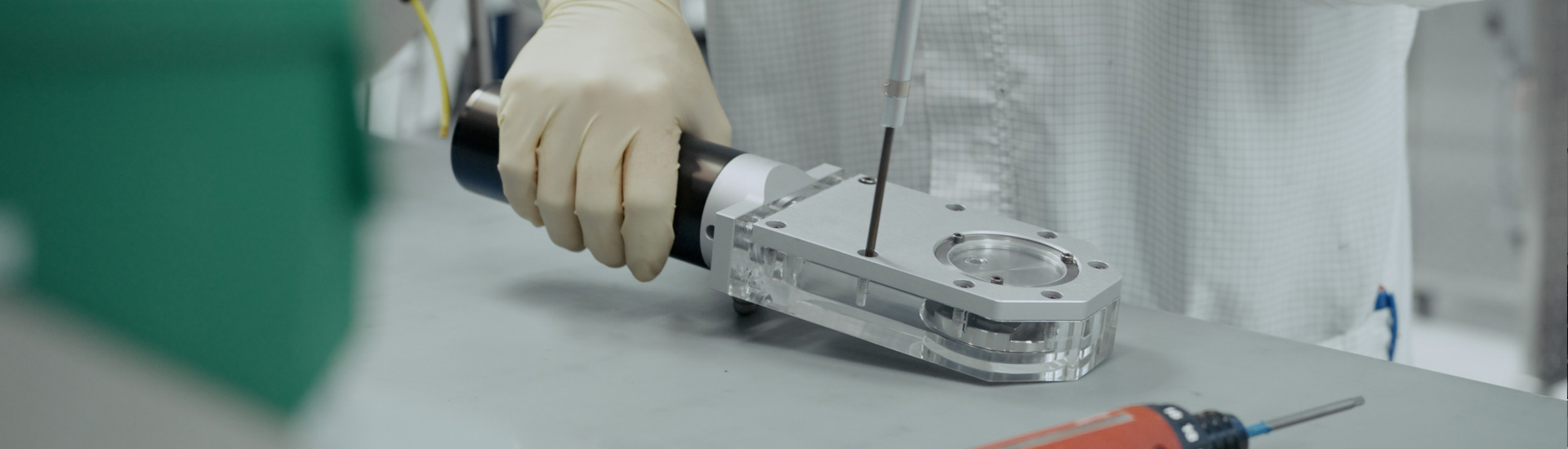
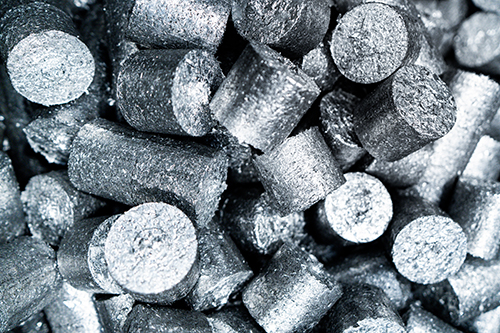
VAT aims to minimize environmental impact by reducing energy and resource use per unit, improving product energy efficiency, increasing scrap‑metal recycling to 100%, and completing water‑stress assessments at all sites by 2025. We work to extend product life cycles, retrofit fabs with more sustainable solutions, and provide sustainability information for 20% of sales by the end of 2025. At the same time, VAT seeks to position itself as a leading contributor to the development and scaling of sustainable technologies across industries.
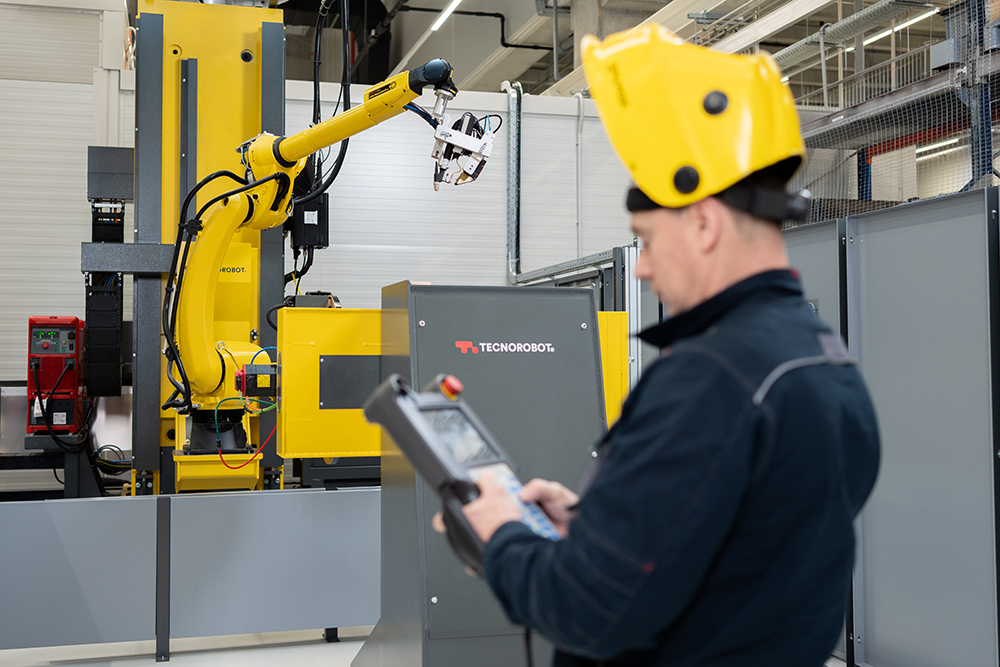
VAT aims to create value across the full product life cycle by reducing the need for virgin materials, extending product lifespan and taking responsibility for end-of-life management. We also use our production assets for as long as possible and optimize packing to reduce material use and transport costs.
To strengthen our EcoDesign principles, we focus on using aluminum, water and other resources more efficiently. This improves cost-effectiveness, reduces environmental impact, and supports our sustainability goals.
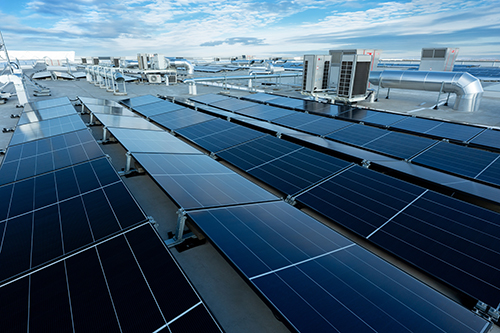
VAT is aiming to become a key contributor to sustainable technologies by developing innovative vacuum solutions for the industries shaping our future. Our valves are essential in producing high-efficiency solar panels, high-power semiconductors, and components used in electric vehicles. They also support emerging applications like direct air carbon capture, today’s nuclear power systems, and tomorrow’s fusion energy research. As renewable energy grows and climate challenges intensify, these technologies continue to drive VAT’s momentum.
In addition to the corporate carbon footprint, VAT has established Environmental Product Declarations (EPD) for two of its bestselling products, namely the 65.3 and the 10.8 valves. Both EPD reveal that the product specific carbon footprint is driven on the one hand by the input materials, particularly aluminum and steel and on the other hand from the use of the products in the device manufacturing. While both electric and pneumatic use, are associated with energy consumption, the electric use of VAT valves is assumed to be significantly more energy efficient. Ultimately the emissions from the use phase depend on the grid mix where the device is being used.
For the coming years VAT will use this information to develop its design criteria, further invest into sustainable R&D and work closely with suppliers and customer to reduce its product’s environmental footprint.
Water is crucial for VAT's product manufacturing as we rely on freshwater for cleaning, rinsing, and cooling purposes, as well as for chemical reactions and wafer fabrication. The quality and availability of water directly impact the efficiency, reliability and overall operability of semiconductor production.
Original Equipment Manufacturers (OEM) face increasing scrutiny for their extensive water consumption as semiconductor fabrication requires significant quantities of water. While VAT’s water consumption is minimal compared to semiconductor fabrication plants (fabs), the company faces similar pressure to reduce its water usage within the industry.
By minimizing our water footprint, we also decrease operational costs and increase production resilience.